Short essays on the small, unwritten codes of Japanese daily life — the words, gestures, and quiet protocols that hide in plain sight.
Latest
106 NOTES
Start here
-
Tsukimi — the moon-viewing custom that marks the centre of autumn
On a clear night in mid-September, a small wooden tray is placed on the engawa of a traditional house. On the tray sit fifteen small white rice dumplings stacked into a pyramid, beside a vase of…
-
Tipping in Japan — why the gesture you mean as kindness lands as confusion
You have just had the best ramen of your life. The counter was spotless, the staff timed every refill without being asked, and the bowl arrived in exactly four minutes. You leave a few hundred yen…
-
Shamisen — the three-string instrument that holds Japan’s outsider music
In a small room above a restaurant in a Japanese castle town, an old woman sits with a long-necked instrument across her lap. She strikes a single string with a thick wooden plectrum. The note that…
-
Sayonara — the goodbye Japanese people rarely actually use
At some point in the 1950s, sayonara became the word that non-Japanese speakers reach for when they want to signal “Japan.” It appears in war memoirs, film titles, farewell song lyrics, and the colloquial English phrase…
-
salaryman
A man in his early forties walks out of a Tokyo subway station at 8:15 a.m. He’s wearing a charcoal-gray suit, a white shirt, a navy tie. His shoes are polished. His briefcase is leather, modestly…

-
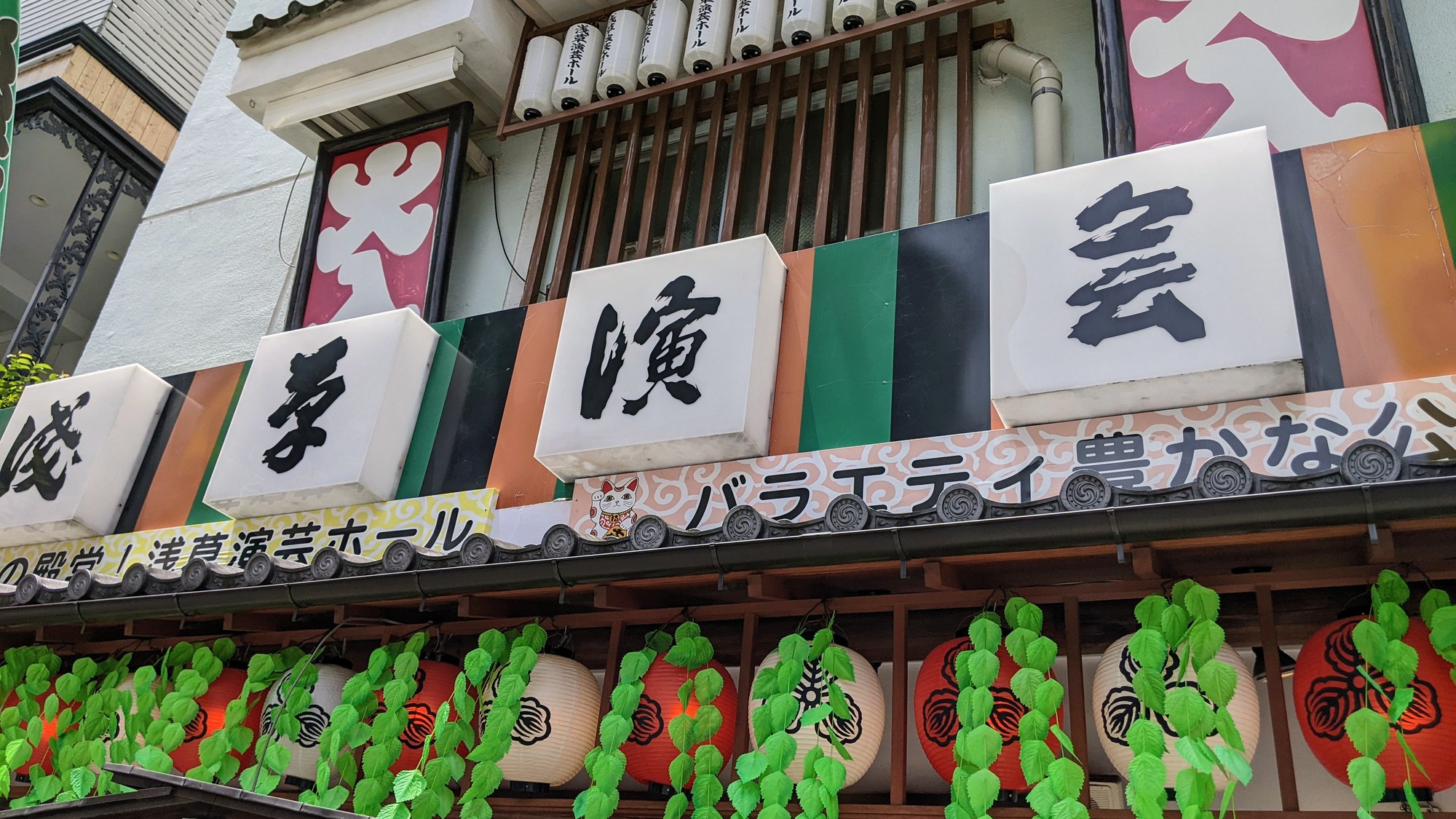
rakugo
The performer enters the small stage and sits down on a cushion. Behind him, a traditional Japanese folding screen; in front of him, a small wooden table with a folded fan and a hand towel. He…
-
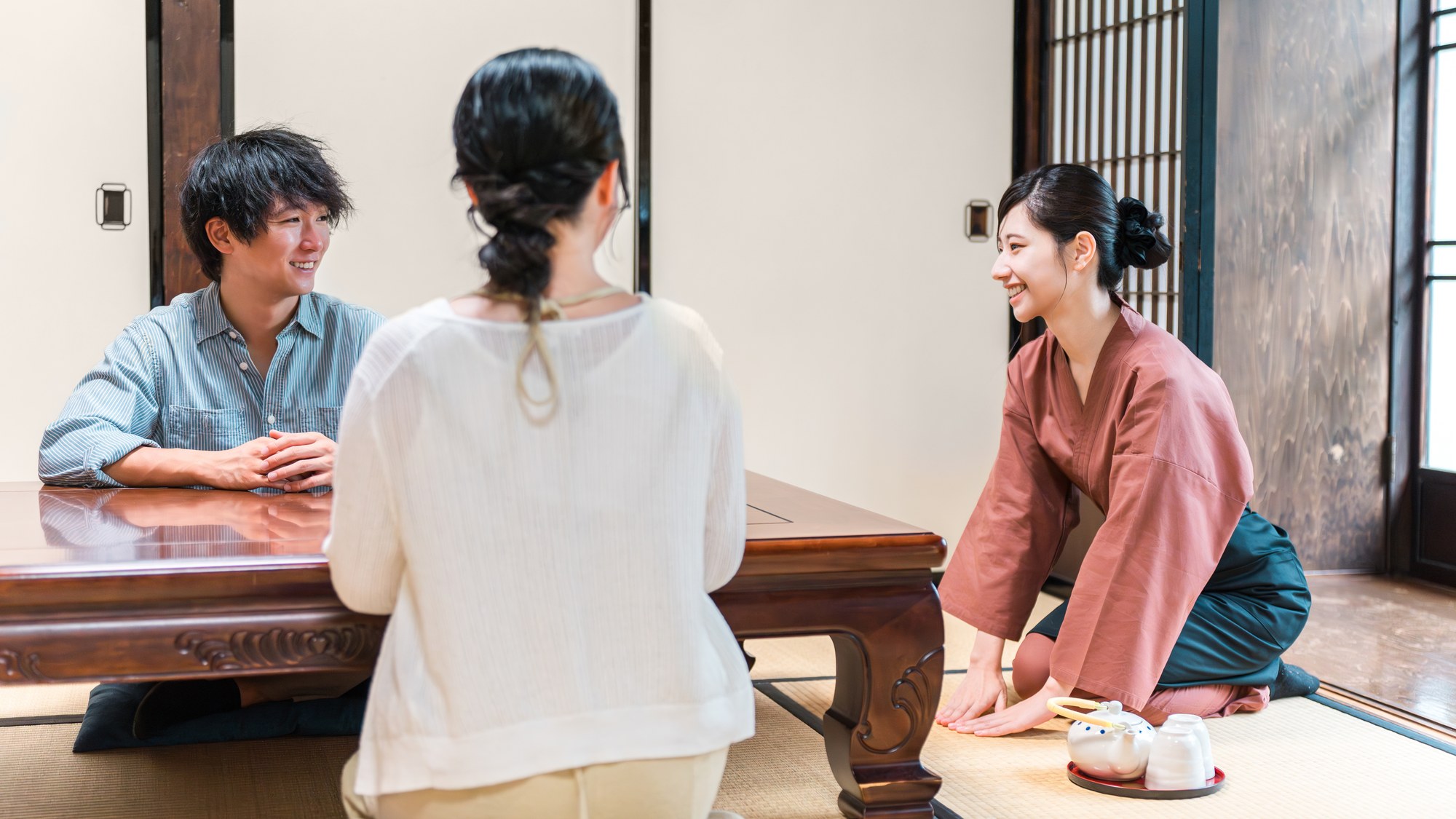
omotenashi
If you have read anything about Japan in English, you have probably read that omotenashi means “Japanese hospitality.” The word arrived in international vocabulary somewhere around the 2013 Tokyo Olympics bid, when a presenter pronounced its…
-
Natsukashii — the Japanese word for warm, recognizing nostalgia
You’re walking through a neighborhood and pass a small bakery. The smell of the morning bread reaches you for an instant before the wind shifts. Without quite deciding to, you stop, half-smile, and stand still for…
-
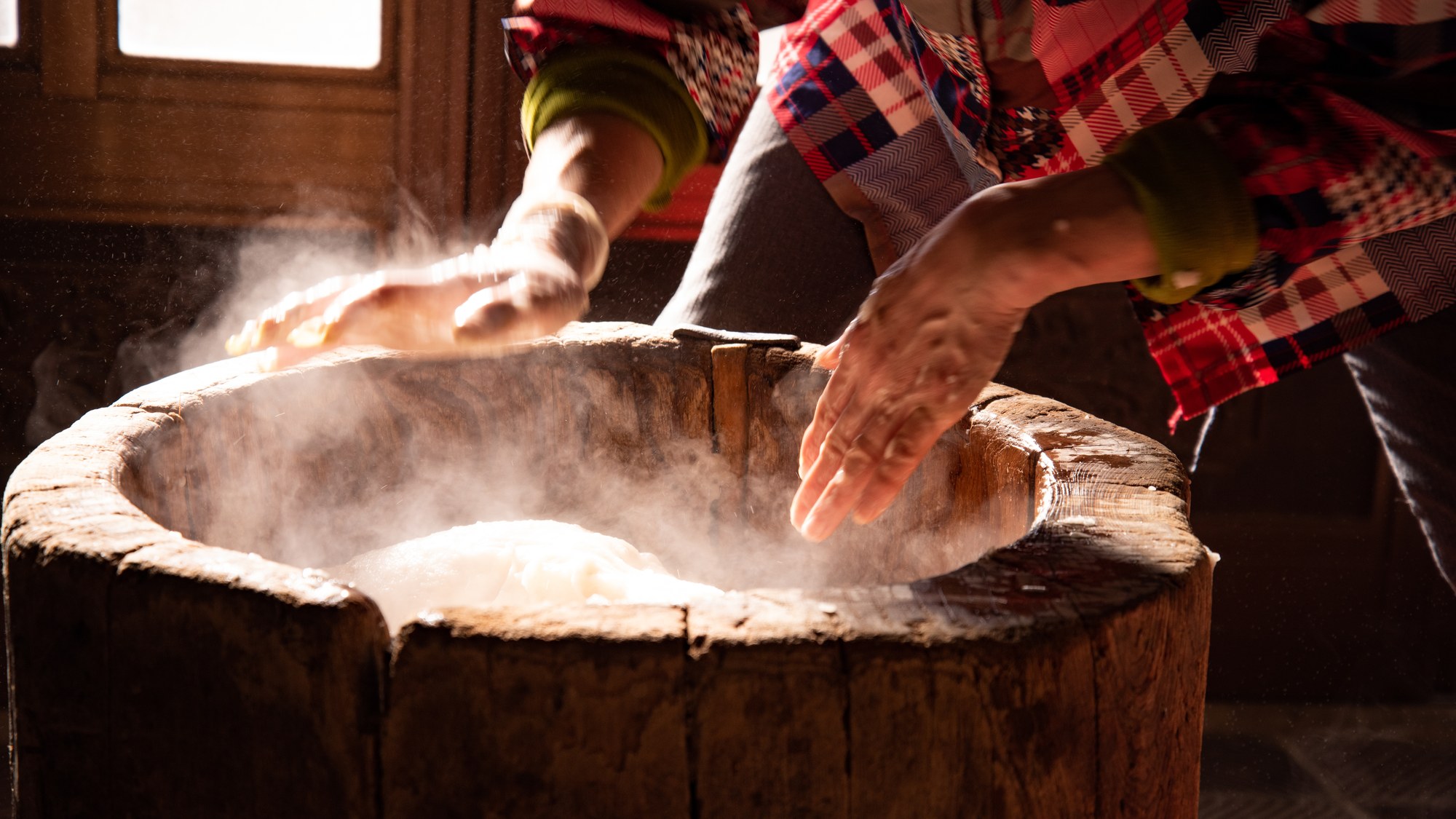
mochitsuki
It’s late December in a small Japanese town. In the courtyard of a community center, a wooden mortar — about the size of a cement-mixer — sits in the open air. A pile of steamed glutinous…
-
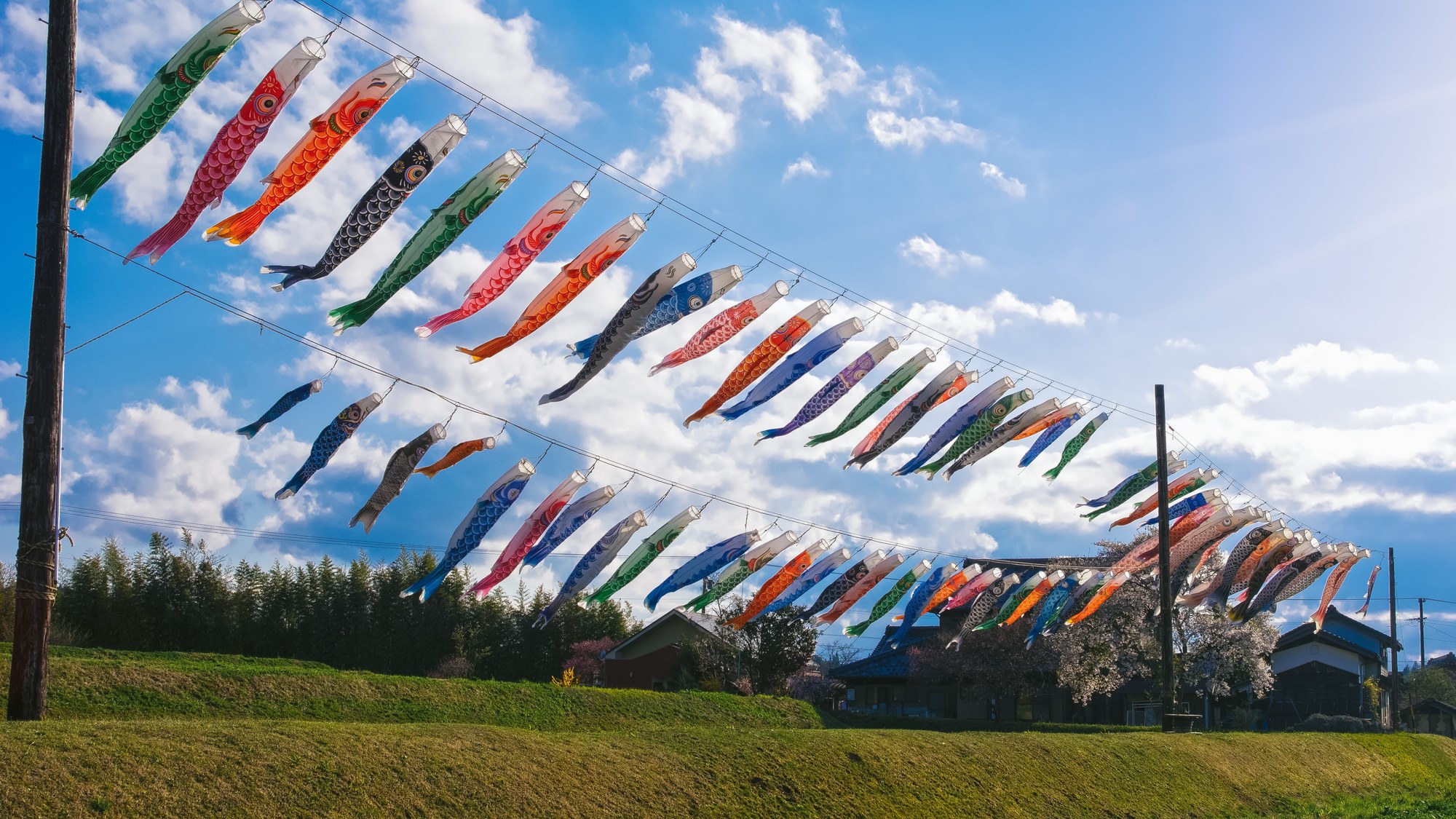
koinobori
Late April to early May in a Japanese neighborhood. Outside houses, schools, and apartment buildings — strung from poles, balconies, or stretched across the river of a small town — large carp-shaped streamers wave in the…